Introduction
A large, triangular peninsula in northwest Croatia, Istria has an identity all of its own. Historically it has close ties with Italy and, still today, many towns, especially on the western side, are bilingual. It’s notably ahead of the rest of the country regarding current trends: restaurants serve beautifully presented creative cuisine, farmhouses dish up local specialities and offer overnight accommodation (agrotourism), and the tourist board has set up a series of bike paths and wine roads.
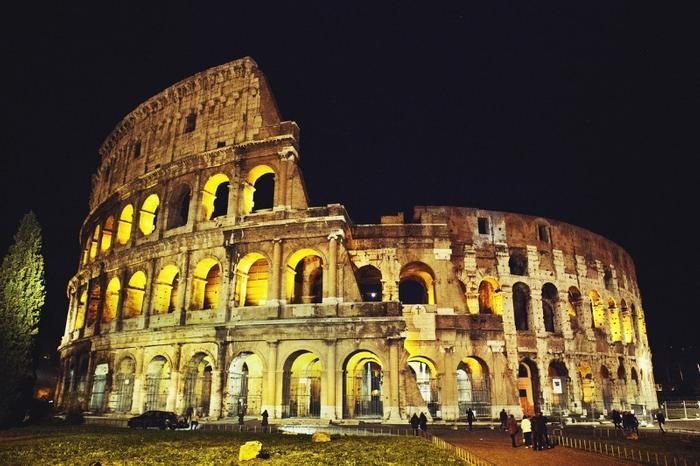
Lying on the tip of the peninsula, the region’s principal city and port is Pula, with a first-century Roman forum as the main square and an ancient amphitheatre dominating the skyline. Close by are the islands of Brijuni National Park, which once served as the summer residence of the late President Tito.
Croatia’s most popular seaside resorts lie on the Istrian west coast: Poreč, home to a splendid sixth-century basilica decorated with stunning golden Byzantine mosaics, and neighbouring Rovinj, made up of ochre- and russet-coloured houses clustered around a pretty fishing harbour, crowned by a hilltop church. Besides its cultural wealth, this area is renowned for nudist resorts, with the largest one in Europe, Koversada, lying in Vrsar, between Poreč and Rovinj.
Moving inland to the Srce Istre (Heart of Istria), narrow country roads meander through a gently rolling landscape of woodland and vineyards.
Less visited than the west coast, the eastern side of Istria faces onto the Kvarner Gulf. The main resort is Rabac, a modern settlement with a decent pebble beach and several good fish restaurants. It’s not the sort of place where you’d want to spend very long, but combined with neighbouring hilltop Labin, a former mining town, it offers a seaside-inland experience all in one. Nearby Brestova serves as the mainland port for ferries to the island of Cres .