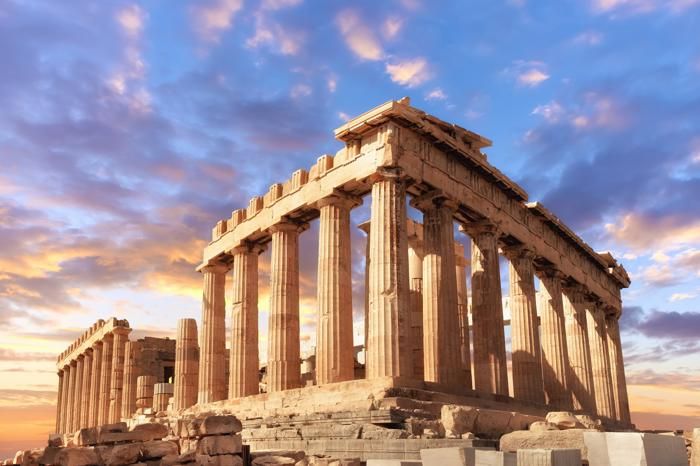
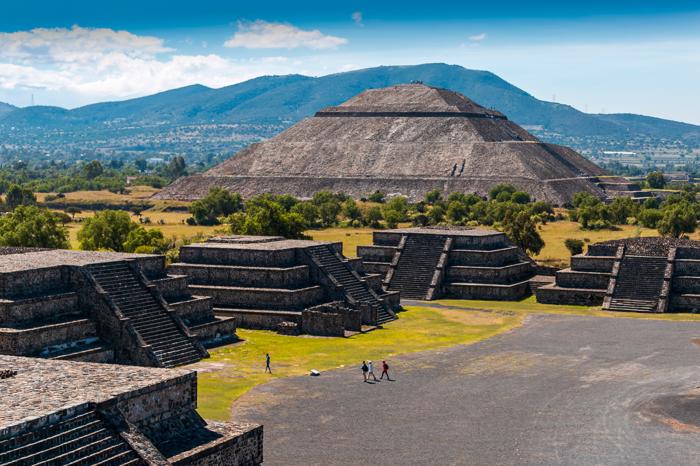
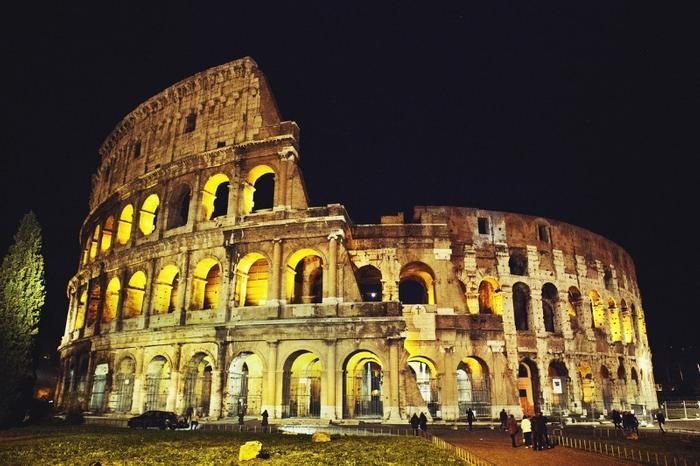
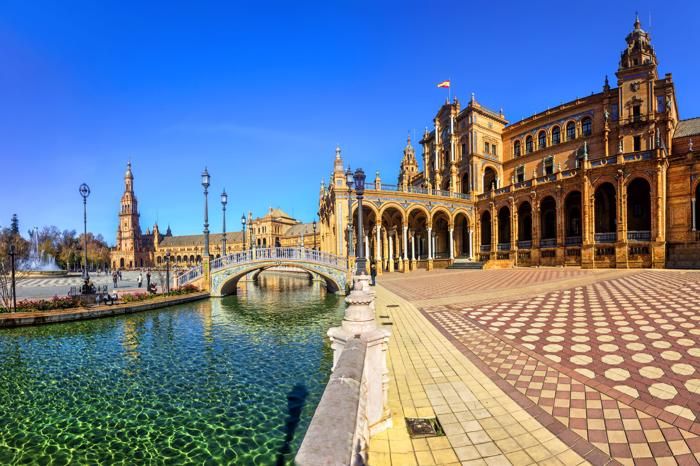
Hot, Mediterranean culture in southern Europe.
With craggy mountains on one side and white sandy beaches on the other the
Ionian Coast of Albania stretches for mile upon unspoiled mile. Until communism fell in 1991, Albania almost totally closed itself to
outsiders. Visitors could only enter in groups and stood in line at the border
in order of importance of their jobs as determined by the Albanian
authorities. Only a dozen cars and one set of traffic lights existed in the
whole country. On the positive side, this isolation saved the pristine
Mediterranean beaches and coastline and prevented Albania’s culture from
being influenced by outside influences – but this is changing fast. Nowadays, foreign tourists increase in numbers, but are still regarded with
curiosity in some parts. International hotel chains are established in the
capital Tirana. Day trips run from Corfu to Butrint and Saranda on what is now
referred to as the Albanian Riviera by tourism companies. The archaeological site at Butrint is a UNESCO World Heritage Site as are the
towns of Berat and Gjirokastër. Berat was preserved as a museum city by the
communist government and seeing the city’s white Ottoman houses on a hill
will make you appreciate why it’s called ‘town of a thousand windows’.
Gjirokastër sits in a beautiful setting beneath the Gjere mountains that
stretch as far as the eye can see. Albania is around two-thirds mountains –
the major chains are the Albanian Alps and the Korab range in the north and
the Pindus Mountains in the south giving many hiking and mountain biking
opportunities. There’s also skiing in the area around Korca. The towns of Vlore and Saranda are similar in style to those on the Dalmatian
Coast further north. There are miles of nearly empty beaches for the visitor
to luxuriate on and temperatures soar in the summer.
